



AI Search Guide

SEO vs GEO vs AEO: What's the difference, and which do you actually need?

SEO optimizes for Google's organic search results. GEO optimizes for being cited inside answers from ChatGPT, Google AI Overviews, Perplexity, Gemini, and Claude. AEO optimizes for explicit answer surfaces such as featured snippets, voice assistants, and AI answer boxes. They share tactics, but they target three different visibility surfaces.

Search surfaces

Three surfaces. One connected visibility system.

SEO, GEO, and AEO overlap, but each wins a different moment: the result page, the generated recommendation, or the direct answer. The strongest plan gives all three the same reliable source material.

A marketing strategy document and planning tools on a desk
SEO · discoverable pages
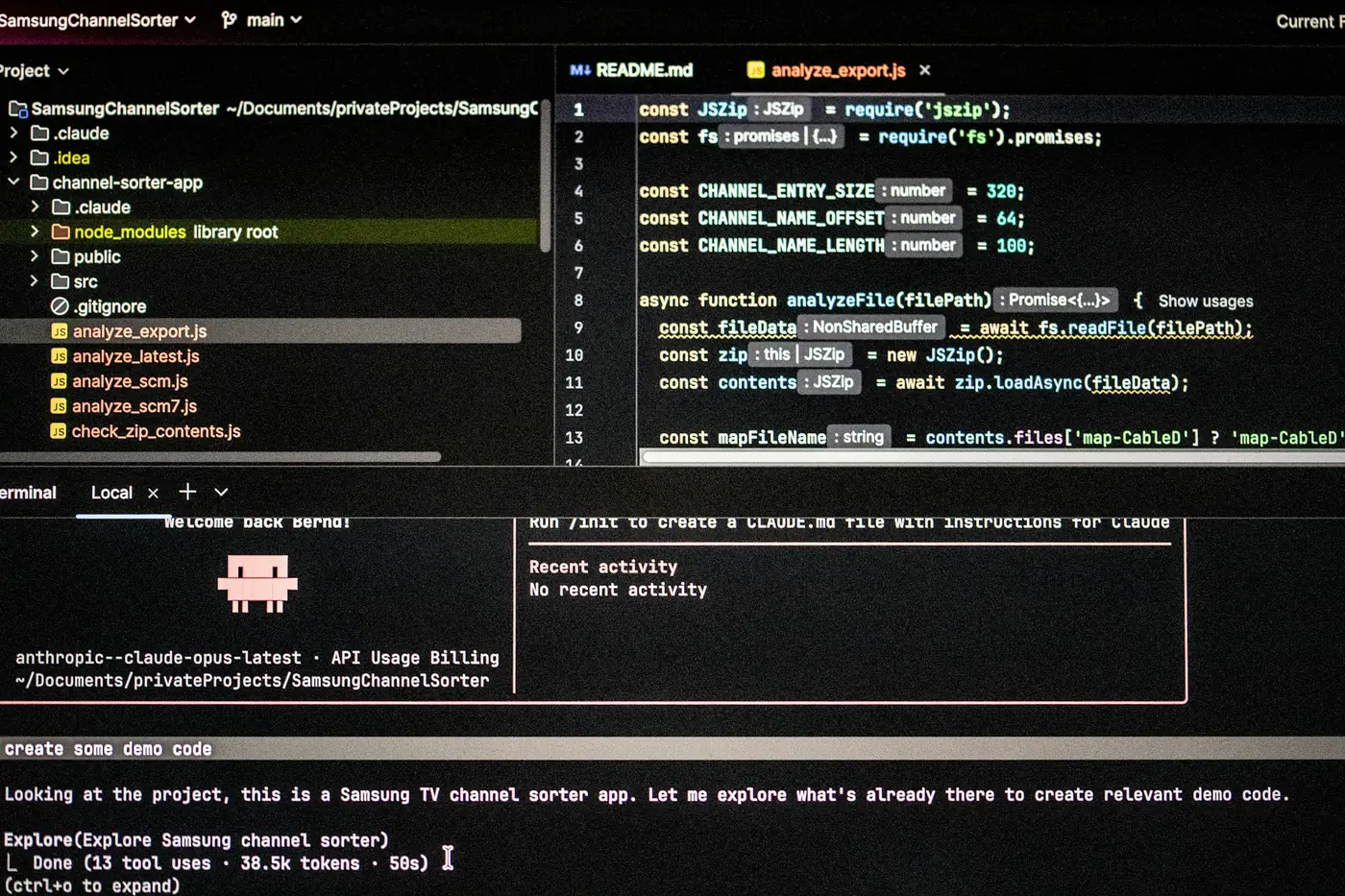
A development screen showing code and project files
GEO · citable sources
Connected server infrastructure in a data center
AEO · extractable answers

The labels differ; the underlying requirement does not: clear information that machines can verify and people can use.

The 30-second answer

SEOGEOAEO
SurfaceGoogle and Bing organic resultsAI-generated answers and citationsAnswer boxes, snippets, voice, PAA
GoalRank and earn clicksGet cited and recommendedProvide the direct answer
Primary signalsContent, links, technical health, local trustEntity clarity, schema, citations, llms.txt, answer passagesQuestion structure, concise answers, schema, page authority
MetricRankings, impressions, clicks, leadsAI mentions, citation share, assisted leadsAnswer ownership and snippet visibility

What is SEO?

SEO, or Search Engine Optimization, improves a website so search engines can crawl it, understand it, trust it, and rank it for relevant queries. For local businesses, SEO includes service pages, Google Business Profile optimization, reviews, citations, technical cleanup, internal links, and content that answers customer questions.


What is GEO?

GEO, or Generative Engine Optimization, improves a business's chance of being cited, quoted, and recommended inside AI-generated answers. It uses structured data, entity clarity, answer-first content, llms.txt guidance, and cross-platform authority signals so AI systems can identify the business as a credible answer.

What is AEO?

AEO, or Answer Engine Optimization, formats content so search engines and AI tools can extract concise answers. It targets featured snippets, voice answers, People Also Ask, AI answer boxes, and question-based search behavior by pairing clear headings with short, complete answers.

Where they overlap

SEO, GEO, and AEO all reward clarity. A fast page with a clear H1, useful headings, structured data, internal links, consistent business facts, and original proof gives Google and AI systems better source material. The difference is the output: SEO earns rankings, AEO earns direct answers, and GEO earns AI recommendations.

  • Use SEO to make the site crawlable, authoritative, and locally relevant.
  • Use AEO to turn important questions into answer-first sections.
  • Use GEO to make the brand entity and answer passages cite-worthy for AI platforms.

Which should a local business invest in first?

If you do not rank locally yet, start with SEO foundations: service pages, GBP, schema, reviews, citations, technical health, and internal links.

If you rank but AI does not mention you, add GEO: entity cleanup, citable passages, llms.txt guidance, platform monitoring, and third-party citation signals.

If you get impressions but not enough clicks, add AEO: answer-first headings, comparison tables, short definitions, and FAQ-style content that earns direct answer visibility.

How to combine all three

  1. Build the SEO foundation: clean URLs, fast pages, service depth, GBP, reviews, and local citations.
  2. Add structured data for Organization, LocalBusiness, Service, Breadcrumb, and high-value page types.
  3. Rewrite top pages with citable definitions, answer blocks, comparison tables, and question-based headings.
  4. Publish AI crawler guidance with an llms.txt file and keep important pages server-rendered.
  5. Track AI visibility with a free AI search audit and expand pages where competitors are being cited instead.

Common myths

Myth: GEO replaces SEO.
Reality: GEO works best on top of strong SEO.

Myth: AEO is just FAQ schema.
Reality: AEO is page structure, answer clarity, and source trust.

Myth: AI search only matters for national brands.
Reality: Local customers already ask AI for nearby recommendations.

Myth: llms.txt is enough by itself.
Reality: It helps, but AI still needs strong content and entity signals.

Questions owners ask · 08 answers

SEO vs GEO vs AEO FAQs

Is GEO replacing SEO?

No. GEO is not replacing SEO; it is adding a new visibility layer. SEO helps your pages rank in Google and Bing. GEO helps your business get cited inside AI-generated answers. Local businesses need SEO as the foundation because AI systems still rely on crawlable pages, authority signals, reviews, and clear business information.

Are GEO and AEO the same thing?

GEO and AEO overlap, but they are not the same. GEO focuses on AI citations and recommendations from platforms like ChatGPT, Perplexity, Gemini, Claude, and Google AI Overviews. AEO focuses on answer surfaces such as featured snippets, People Also Ask, voice assistants, and AI answer boxes.

Do I need both SEO and GEO?

Most local service businesses need both. SEO captures traditional search demand and builds the authority signals AI systems use. GEO turns that authority into AI mentions and recommendations when customers ask tools like ChatGPT or Perplexity who they should hire.

What is AI SEO and where does it fit?

AI SEO is the umbrella term for optimizing a website and brand entity for AI-influenced search. It includes classic SEO, GEO, AEO, structured data, llms.txt guidance, citable content, and entity consistency across the web.

Which is cheapest to implement first?

Classic SEO foundations are usually the first investment because they support every other channel. Once the site has clear service pages, crawlable content, schema, and local trust signals, GEO and AEO work faster because AI systems have stronger source material to cite.

How do I measure GEO success vs SEO success?

SEO success is measured with rankings, impressions, clicks, traffic, and leads. GEO success is measured with AI mention share, citations, recommendation frequency, competitor displacement, assisted leads, and visibility across ChatGPT, Google AI Overviews, Perplexity, Gemini, and Claude.

Does Google AI Overviews count as SEO, GEO, or AEO?

Google AI Overviews touch all three. They appear inside Google Search, so SEO still matters. They generate direct answers, so AEO matters. They cite and summarize sources, so GEO matters. Treat AI Overviews as a shared surface, not a separate channel.

Where should a small local business start?

Start with a clear website, accurate Google Business Profile, strong service pages, schema, reviews, and local citations. Then add GEO and AEO work: citable answer blocks, llms.txt guidance, internal links, industry-specific AI visibility pages, and monitoring across AI platforms.

Accepting new projects

Want to know if AI recommends
your business?

Run the free AI search audit, then use the results to prioritize SEO, GEO, and AEO work.

Free consultation · Clear next steps